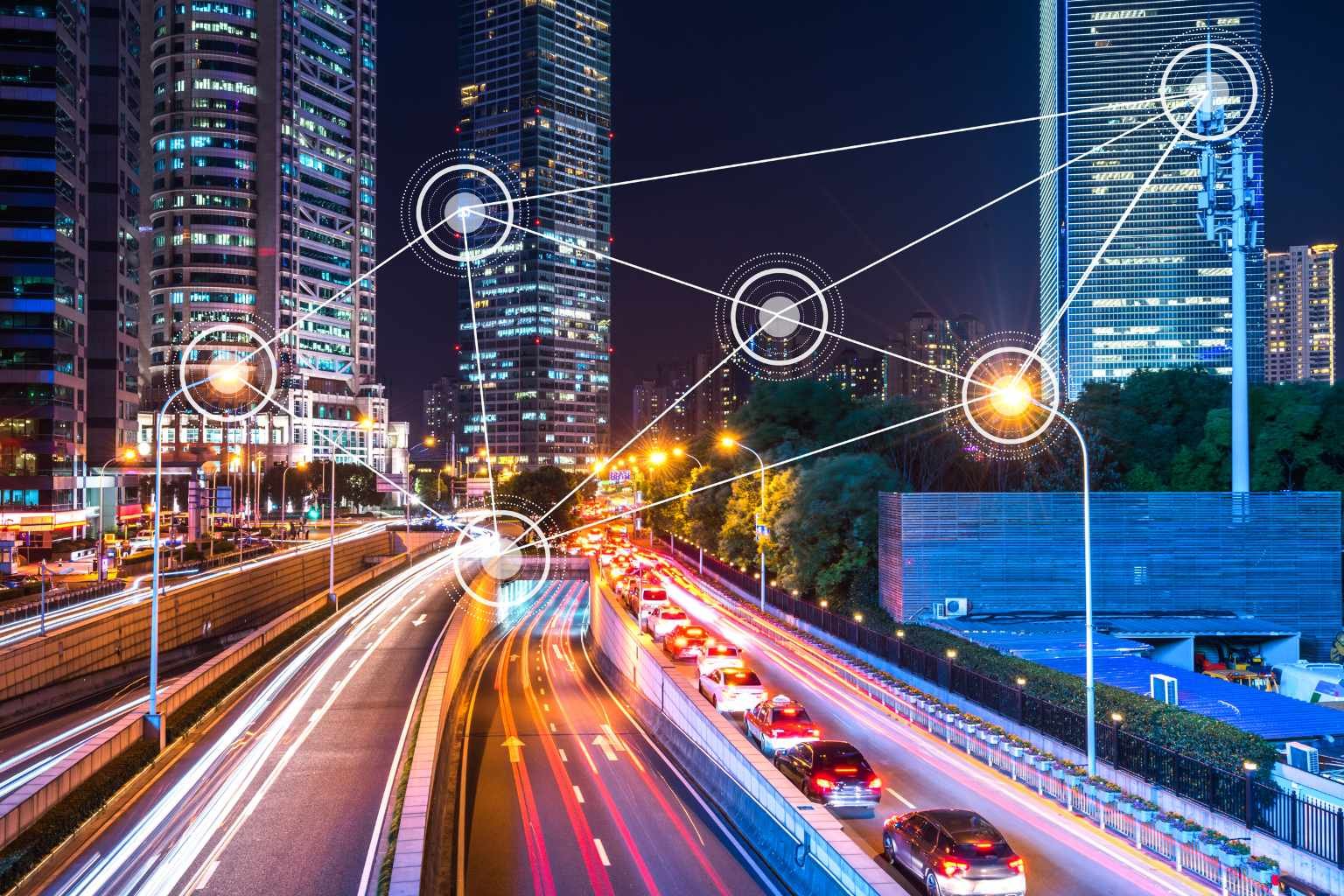

In 2025, smart traffic networks are driving the city offering with less crowded streets, safer roads and faster, more efficient commutes. Traditional approaches to managing traffic versus growing urban populations and the number of vehicles are no longer effective. Smart systems harness sensors, cameras, artificial intelligence and real-time data to manage the flow of traffic effectively and show drivers the best route to take. These are technologies that keep cities flowing, reduce pollution and make roads safer for everyone.
1. Smart Traffic Systems: What They Are
Digital tools to control road traffic automatically are the foundation of smart traffic systems. They pull up live information from cameras, GPS units, sensors and connected vehicles. With that data, they time traffic lights, identify congestion, run emergency routes and send drivers along the quickest ways. Such systems can advance traffic and minimize punishment.
2. Why Cities Need Smarter Traffic Solutions
Nags and congestion are the perennial complainants of urban cities growing in population numbers and vehicle ownership. Traffic jams are a time-sucking, fuel-wasting and pollution-making element of the modern world. However, smart systems can minimize these issues by making smarter decisions based on real-time monitoring of data. They enable efficient road travel and get drivers to their destinations faster.
3. Reducing Congestion With Real Time Monitoring
“Smart” traffic cameras and sensors measure how many cars are crowding the roads. It makes adjustments to traffic signal timings on its own as congestion increases. This dynamic adjustment minimizes queue buildup at signals and avoids queues formed elsewhere in critical intersections.
4. Helping Emergency Vehicles Reach Faster
It’s common for ambulances, fire engines and police vehicles to become jammed in traffic. Smart traffic systems spot emergency vehicles through GPS or special signals and let them pass in great hurry. Traffic lights switch to green in their path, allowing them to arrive at their destination without incident.
5. Why Intelligent Traffic Systems Are Taking Over
- Limit the number of traffic jams in densely populated areas
- Enhance road safety with intelligent alerts
- Lower fuel consumption and pollution
- Faster routes through real time data offering
- Support public transportation and the safety of pedestrians
These advantages illustrate why smart mobility is becoming so critically important.
6. Technologies Making Traffic Systems Smarter
- AI based traffic prediction
- Smart traffic lights
- Connected vehicles
- GPS tracking systems
- Roads and signals with IoT sensors
Together, they complement one another to make city mobility smooth and safe.
7. Improving Speed and Reliability of Public Transportation
Buses, trolls and metros are also supported in Smart-system. Real time travel times, traffic delays and the best routing. Some cities have bus priority signals that turn green as a bus approaches. That is part of what enables public transport to be punctual and more popular than private cars.
8. Difficulties in the Deployment of Smart Traffic Systems
Despite its great advantages, smart traffic system also encounter a series of problems as follows:
- High installation and maintenance cost
- Need for strong internet connectivity
- Technical training for city staff
- Older cars without smart systems
- Data privacy and security concerns
These are challenges that require planning, investment and government support.
9. The Role of Intelligent Systems in Ensuring Safety While on the Road
Intelligent traffic systems are devised in order to keep an eye on unsafe driving behaviour including over-speeding, signal crossing and off-road travelling. AI cameras have the ability to automatically report violations and issue alerts or fines. Smart pedestrian crossing signals look out for walkers by changing the time a light stays green based on foot traffic. These are instruments that can prevent accidents and create a safe urban environment.
10. Smart Traffic in India and Beyond – The Way Forward
But future traffic systems would deploy increasingly sophisticated AI to anticipate traffic before it forms. Cars, bicycles and public transport will talk to traffic lights for smoother flow. Drones flying above will police roads for traffic violations, and driverless cars will dutifully follow the rules of the road. Smart mobility will result in cleaner, safer and more harmonious cities.
Key Takeaways
- Intelligent traffic systems slim down gridlock and keep people on the move
- AI, sensors and other technologies pave the way for better road management
- Smart Signal Priority gets emergency vehicles to you quicker
- Digital shift also helps improve public transportation
- Future urban transportation will shaped by smart mobility
FAQs:
Q1. What are simple words of smart traffic system?
They are digital systems that rely on sensors and artificial intelligence to help manage traffic more efficiently.
Q2. What makes smart systems capable of eliminating traffic jams?
They time the signal according to real-time traffic.
Q3. Do these systems serve emergency vehicles?
Sure they do Fast and safe movement.
Q4. Are smart traffic systems expensive?
They are investments, but they save time and fuel and avert accidents.
Q5. Will it become standard for cities to have smart traffic systems?
Yes, as the need for urban mobility increases most cities will adopt them.