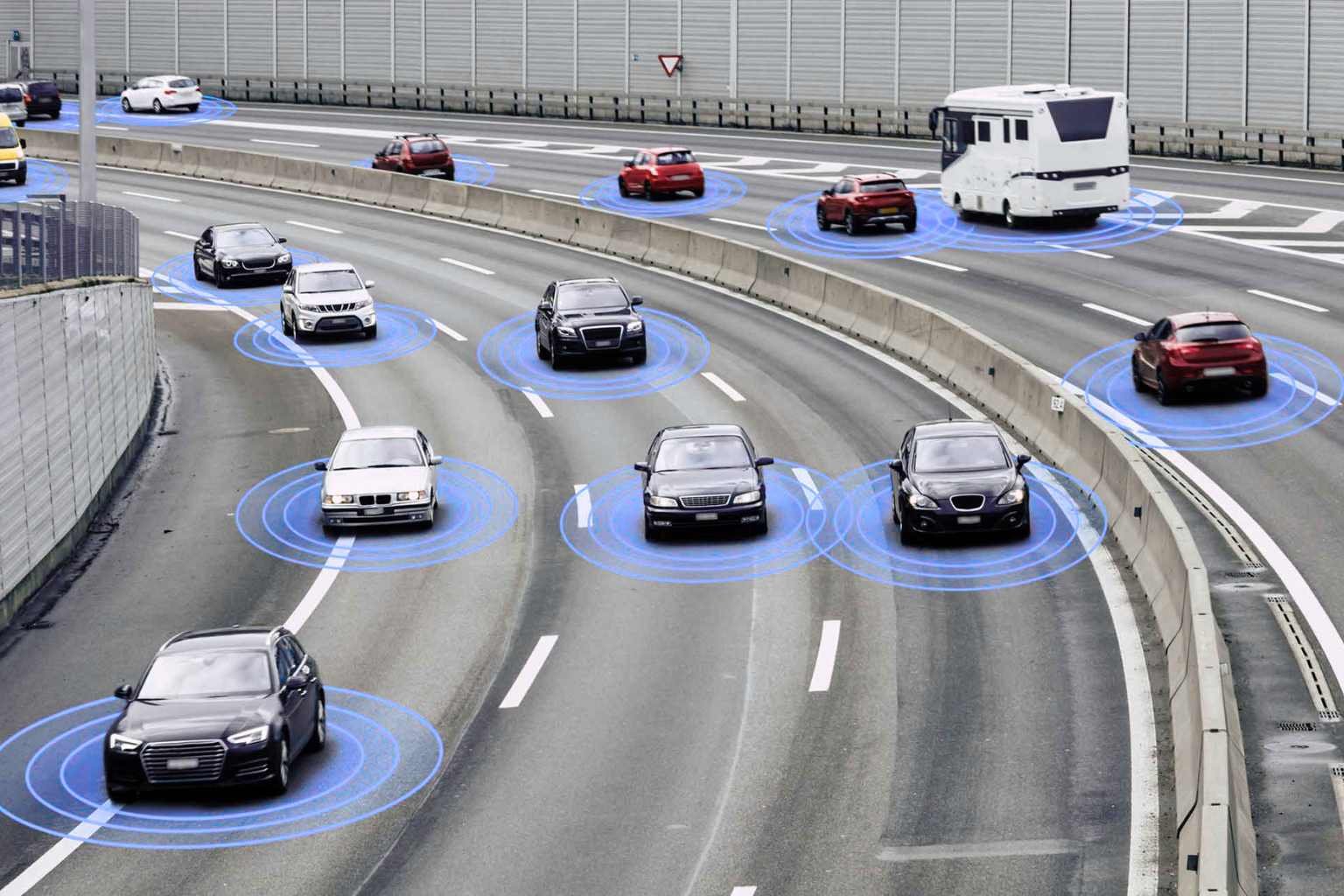

New tech is redefining the relationship between roads and vehicles, ushering in a new era for transportation. It will be a highway system tailored for autonomous cars equipped with special sensors to help guide them, rather than using pain-in-the-ass humans and dumb-vehicle-only roadsigns. These roads are intended to create a safer and more efficient travel experience by eliminating human error and congestion. With the speed of innovation increasing, self driving highways are not too far-fetched to dream about either.
1. What Are Autonomous Highways
Driverless highways, as explained below, are dedicated roads that facilitate the movement of autonomous vehicles (AVs). With the help of devices like sensors, cameras and communication networks, these smart systems steer vehicles safely. These highways, in essence, “talk” to vehicles in real time, giving them direction about which lane to drive in, what speed to go at and how closely they should follow the car ahead of them.
2. Why We’re Building Self-Driving Highways
Conventional roads are heavily dependent on human drivers, which may cause accidents as a result of fatigue or distraction. Autonomous roads would also minimize these risks, as vehicles can interact with road systems. This system makes daily driving much safer and the flow of traffic more smooth at busy times.
3. How Smart Infrastructure Supports Self Driving Cars
Bare freeways are smart highways with embedded sensors and digital signs. Those systems display the traffic, weather or road condition in real time. This transmission of information to vehicles is occurring in real time, so that cars and trucks can immediately slow down or switch lanes or even reroute their trips.
4. Artificial Intelligence’s role in self-driving roads
Artificial intelligence features predominately in the control of autonomous highways. Machines already analyze traffic patterns, forecast congestion and control traffic signals. This keeps traffic moving smoothly and prevents stoppages, allowing highways to operate more efficiently and predictably.
5. Benefits of Autonomous Highways
Autonomous freeways have several significant advantages:
- Fewer motor accidents due to humans painting the town red
- Easier traffic, fewer jams
- Less fuel thanks to efficient driving
- Coordinated response faster with connectivity across systems
- Better travel comfort, less stress for the driver
These advantages are more than good enough to make autonomous highways an appealing proposition for future city planning.
6. Effects on Travel Time Yield and Fuel Consumption
Driverless freeways allow cars to travel at similar speeds while keeping a safe distance from the car in front. This cuts down on sudden braking and gas presses (which is good for fuel economy). Better traffic management also reduces time taken to travel particularly on long distances.
7. Safety Improvements on Future Highways
One of the primary motivations behind the push for autonomous highways is safety. Cars are able to see hazards immediately and can react quicker than a pedestrian. Smart highways can alert vehicles to accidents, construction zones or weather conditions up ahead, mitigating crash risks.
8. Challenges in Building Autonomous Highways
There are, however, a number of obstacles facing driverless highways:
- High cost of infrastructure upgrades
- Need for standard communication systems
- Cybersecurity and data privacy concerns
- Mixed traffic between manual and automated cars
- Legal and regulatory approvals
Addressing these issues will require time, and a concerted effort.
9. How Self-Driving Highways Will Transform Daily Life
Self-driving roads will revolutionize the everyday grind of commuting and cross-country road trips. Drivers can become passengers, and the travel time used to relax or work. Logistics and freight will become more predictable with reduced delivery time and cost.
10. The Future of Autonomous Roads in the Long Run
In the future, intelligent highways will integrate into smart city ecosystems. Roads, cars and traffic systems will integrate smoothly. As technology evolves and adoption rates escalate, autonomous highways are set to revolutionize mobility, enhancing safety and intelligence in transportation.
Key Takeaways
The highways of the future are autonomous by blending smart infrastructure with driverless tech. They would assure greater safety, more efficient traffic flow, fuel savings and a pleasanter environment for traveling. Despite the challenges, continued development might soon see these clever roads on our streets.
FAQs:
Q1. What is an autonomous highway?
It’s an intelligent road built to accommodate self-driving and connected vehicles.
Q2. Do self-driving highways already exist?
There are a few pilot projects and test roads, but widespread adoption is still catching up.
Q3. What is the advantage of safe highways?
They minimize human error and issue real time hazard warnings to vehicles.
Q4. Are self-driving highways going to be open to regular cars?
Yes, I agree that in the early years – manual and autonomous cars will have to coexist on the roads.
Q5. When will self-driving highways be the norm?
The technology will see mass adoption slowly, over time and as regulations change.