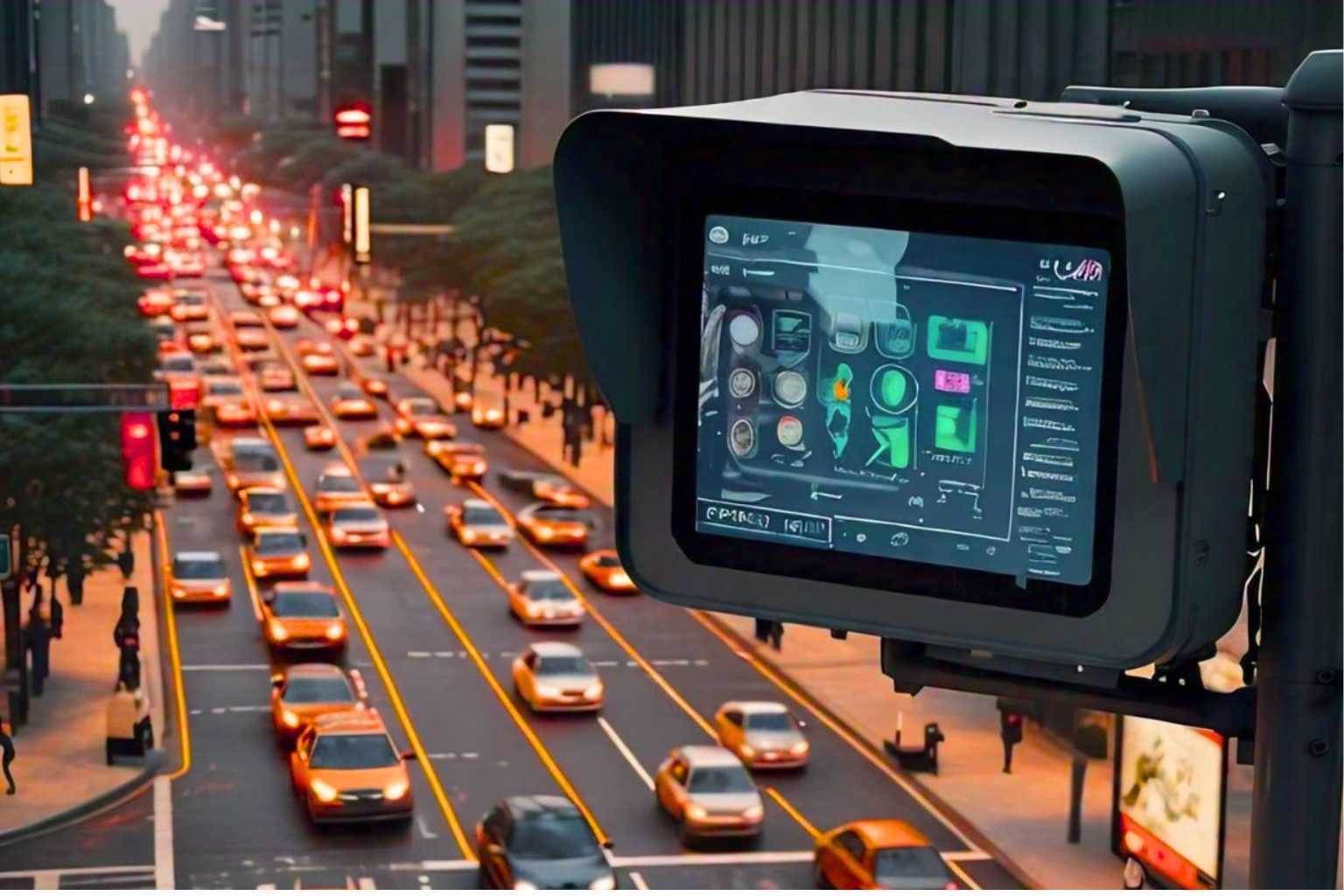

One of the most serious problems in today’s cities is traffic jam. Both commuters and businesses face long delays, wasted fuel, even daily angst. Now, artificial intelligence is transforming traffic management by doing something seemingly impossible: predicting congestion before it even occurs. AI forecasts of traffic is a part of real time data being fed to, and processed by smart and intelligent analyses that assist in optimising movements on roads.
1. What Is AI Traffic Prediction
AI traffic forecast is a service of artificial intelligence used to predict the formation of traffic jam in future based on big data analysis of historical data and real-time feeds provided by embedded system sensors or other sources. It analyzes information collected by cameras, sensors, GPS systems and mobile apps to learn how traffic behaves. With that information at its disposal, AI systems can predict when and where congestion will happen.
2. Why Conventional Traffic Disepters Don’t Work
The traditional traffic management system responds after the congestion has already been formed. Traffic lights operate from rigid timers or simple sensors. These systems can’t rapidly adjust to accidents, unexpected rush hours or a shift in the weather. Systems based on AI address this by anticipating problems, instead of responding to them eventually.
3. How AI Predicts Traffic Congestion
AI models process huge volumes of data from different sources. They compare the current traffic flow in real time with the historic average. By detecting patterns and anomalies, AI can predict congestion well up to a few minutes, or even hours ahead. This early alert enables authorities to intervene preventatively.
4. Importance of Real-Time Data in Traffic Forecasting
Real-time data is the cornerstone for how AI predicts traffic. Data coming in real time from GPS navigation apps, traffic cameras and road sensors lets AI systems divine current road conditions. The better the information, the more accurate today’s traffic predictions get.
5. Advantages For Cities AI Traffic Prediction
There are several advantages to AI enabled traffic predictions in a populated city:
- Reduced traffic congestion and delays
- More efficient use of road space and traffic signals
- Quicker response to incidents and road closures
- Lower fuel consumption and emissions
- Improved daily commute experience
These benefits enable cities to be more efficient and sustainable.
6. Assisting Drivers in Staying Out of Traffic Before It Forms
AI traffic prediction: By showing drivers alternative routes before streets get clogged, AI traffic prediction is helpful to them. AI-powered navigation apps can reroute vehicles in advance. That evens the traffic out over more roads and helps avoid bottlenecks.
7. Effect on public transport, emergency services
AI traffic prediction offers significant advantages to public transport systems. Buses have the flexibility to change routes and schedules if delays can be minimized. Vehicles respond faster to emergency situations and more effectively clear the way. This reduces response time and saves lives.
8. Green Side of More Efficient Traffic Flow
Less congestion also equals less idling on the roads as cars wait to move. By predicting traffic, AI can cut down on wasted fuel and air pollution. A seamless flow of traffic means cleaner cities and works towards environmentally friendly transportation systems.
9. Challenges in AI Traffic Prediction
However, AI-based traffic prediction comes with its own set of hurdles:
- Costly infrastructure and sensors
- Data privacy and security concerns
- Reliance on regular and reliable data
- Integration with existing traffic systems
- Limited adoption in smaller cities
If these are not met, effectiveness and trust will be enhanced.
10. What the Future Holds for AI Traffic Control
The traffic-management systems of the future are also predictive. AI traffic forecast will be paired with intelligent signals, self-driving cars and connected infrastructure. Cities will not respond to traffic jams, but rather they’ll prevent them thereby making travel easier and more benign for everyone.
Key Takeaways
Resilient AI traffic predictions are redefining how cities address congestion by predicting issues before they occur. It leads to better traffic flow, shorter delays, less pollution and increased safety. With the adoption of smarter infrastructure in cities, AI powered traffic prediction becomes part and parcel of everyday travel.
FAQs:
Q1. What is AI traffic prediction?
It is the application of artificial intelligence to predict traffic jams.
Q2. How good is AI at predicting traffic?
The accuracy is increased for more real time and historical data.
Q3. Can AI predict traffic to help you on your daily commutes?
Yes, it also helps drivers steer clear of crowded routes before traffic even forms.
Q4. Doe s A.I. forecast of traffic diminish pollution?
Sure, if there’s less roadway slogging and idling, then there’s less fuel waste and air pollution.
Q5. Will artificial intelligence replace standard traffic signals?
AI will improve and optimize traffic lights, not permanently oust them.