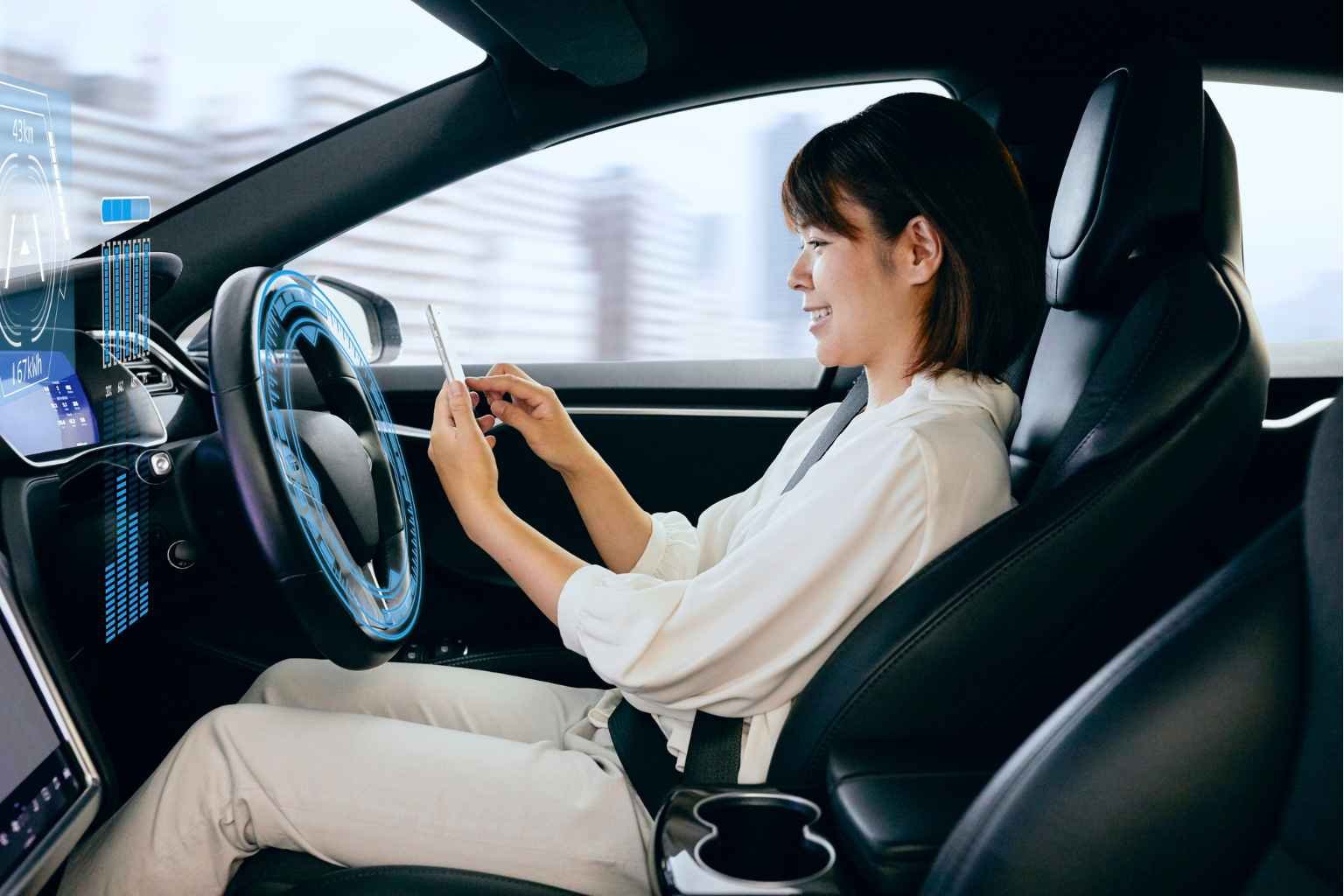

2025 The future of driving Autonomous-driving features are taking over the road in modern cars to help keep you safe. These smart technologies leverage sensors, cameras, AI and sophisticated mapping systems to recognize danger, prevent accidents or help guide vehicles more smoothly. Though fully driverless cars are years away from being commonplace, those models that include some autonomous features like lane assist, adaptive cruise control and automatic braking have already been helping to reduce accidents and make drivers more aware of serious risks. Road safety is taking a step into the future as these features are becoming standard across cars.
1. What Self-Driving Features Really Mean
Autonomous driving features are clever tools that allow a car to function with less human effort. Those include help systems to steer, brake and adjust speed according to road circumstance. They are intended to help drivers and minimize errors, enhancing safety of travel in normal conditions.
2. Why These Trends Are Catching On
The human error such as distracted driving, over-speeding or late response is commonly ascribed for road accidents. Features like these cut down the risks by reacting more quickly than humans and by making “smarter” driving decisions. An increasing number of manufacturers install such systems, not only in premium cars but also in mid range vehicles – and if you will more people have access to safety.
3. Quick Reaction to Sudden Road Dangers
It takes autonomous systems only milliseconds to sense the danger. It detects pedestrians, animals, decelerating vehicles and surprising objects. Other features, such as Automatic Emergency Braking engage automatically to help avoid or mitigate collisions. This fast reaction can be very useful in inner city traffic.
4. Auxiliary Driver Focus and Alerting assistance
Today’s automated features monitor driver input. They pick up clues of drowsiness, inattention or exhaustion and send alerts to refocus. Lane assist systems steer the car back to the appropriate lane if a driver has unknowingly veered away. These apps serve as a digital co-pilot to encourage safe driving behavior.
5. Why Making Road Features Autonomous Leads to Safer Navigation
Below is the portion with bullet points, per your criteria:
- Smarter detection of hazards
- Real time alerts for drivers
- Faster reaction during emergencies
- Reduced human errors
- Better control in difficult weather
These advantages illustrate how driverless vehicles are advancing safe driving.
6. Key Autonomous Features Enhancing Safety
(Here, again, we’re going to number our points:
- Adaptive cruise control
- Lane keeping assist
- Automatic emergency braking
- Blind spot monitoring
- Traffic sign recognition
“These are the elements that all work together to provide a level of safety for drivers, passengers and pedestrians.
7. Be Safer in the Congested City Traffic
City traffic is particularly erratic, full of sudden stops, jaywalkers and rapid lane changes. Unmanned systems ease these conditions of frustration. An adaptive cruise control system keeps a safe following distance, and sensors watch out for blind spots. Traffic sign detection enables more accurate speed limit and rule following by drivers.
8. Difficulties in Application of Autonomous Driving Functions
These systems are not without their drawbacks despite many good points:
- Poor performance under extreme climatic conditions
- Higher cost of advanced technology
- Overdependence on automated systems
- Need for driver understanding of features
- Software updates required for accuracy
Knowing how to use these features and proper training allows drivers to make the best use of them.
9. How AI and Sensors Are Making Driving Safer
Supported by AI powered sensors that scan everything around in real time, but only track them. These sensors form a 360 degree safety bubble around the car. AI can also anticipate cars and pedestrians, allowing the car to ready for potential dangers. This mix minimizes the number of accidents as we drive more confidently.
10. The Future of Highway Safety With Driverless Cars
As the future unfolds, more advanced systems will be available such as automatic lane changes, hands free highway driving and car to car communicative signaling. Automobiles will instantly communicate with one another about road conditions, accidents and traffic. This networked system will make for safer roads, fewer accidents, and more efficient travel. The global transportation system is about to become driver optional.
Key Takeaways
- Human error is lessened with increased autonomous functionality and physical safety enhanced.
- Sensors driven by AI – Artificial Intelligence detects threats in no time!
- Systems such as automatic braking and lane assist help avoid accidents.
- There are obstacles but technology is getting better
- The future of the road looks to be one in which self-driving systems take care of most safety concerns.
FAQs:
Q1. What is the easy definition of autonomous driving?
They are intelligent devices that assist with the steering, braking and safety of cars.
Q2. What actually prevents accidents, these features included?
They sense hazards in time and alert the driver or do something autonomously.
Q3. (and finally: are those features in normal cars?
Yes, a lot of mid range cars have the very latest in safety features.
Q4. Do smart features perform in bad weather?
They are good enough, but visibility can impede the accuracy at times.
Q5. Are fully driverless cars coming to the masses in the near future?
Yes, but multiple years of testing, development and safety approvals are in the way.