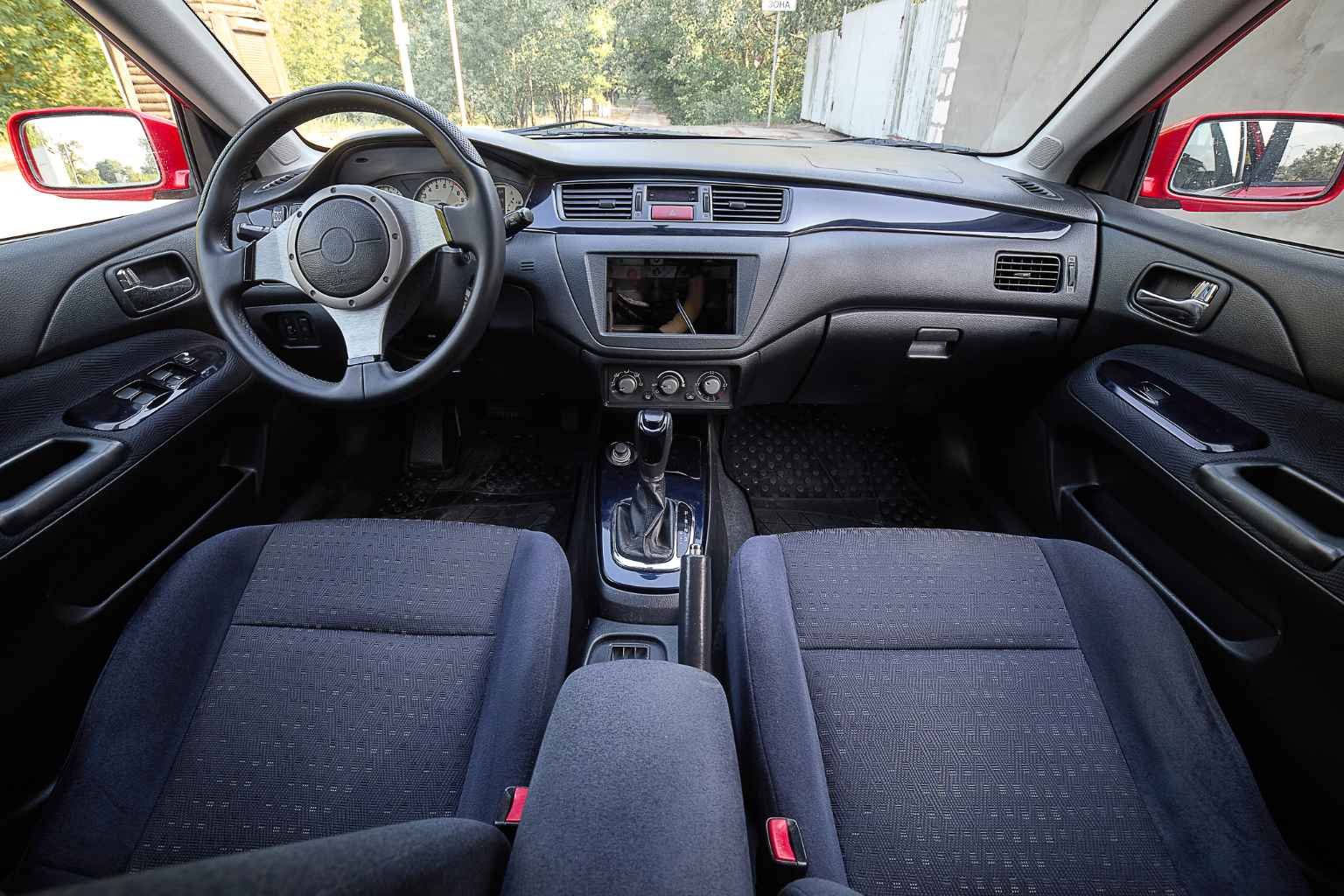

Car interiors are getting a major overhaul in 2025, as brands increasingly focus on minimalism, tech first and comfort driven designs. Today’s drivers are tech-savvy and they want cleaner layouts, fewer physical buttons, and more intelligent technology that elevates the driving experience rather than being a distracting presence. Focusing on large touchscreens and ambience lighting, to AI assistants and sustainable materials the future of car interiors promises to be sleek, intuitive and highly connected. Now, style meets innovation, and interior spaces are comfortable personal-rooms-not creaky metal-wheeled jalopies.
1. The Rise of Minimalist Interiors
Drivers prefer an uncluttered and simple car interior as it helps to make driving more comfortable and less stressful. Minimalism strips away clutter, eliminates excessive controls and allows drivers to concentrate on the road. It’s also a car that, when you jump into it (and I mean that literally; more on that in a sec), suddenly feels a lot more modern than before, now that the old mechanical dashboards are being rolled back or replaced entirely with digital ones.
2. Emergence of Tech First Cabin Configurations
Modern buyers want more technology in their vehicles. Touchscreens, digital instrument clusters and voice assistants are now the norm. Today’s automobiles include easy access to smartphones, GPS and entertainment applications. Said tech first layouts offer drivers better control and fewer button based distractions.
3. AI Powered Personal Assistance
Artificial intelligence assistants inside cars can aid in navigation, make calls, entertain passengers and issue safety alerts. They respond to spoken commands, anticipate driver’s needs and make personalized recommendations. AI also makes the driving experience much easier by eliminating the need for manual inputs, which in turn helps drivers concentrate.
4. Zero Clutter Dashboards
Cars of the future are doing away with clunky dashboards and buttons. Designers are paying extra attention to clean surfaces, concealed storage and flush mounted displays. Some automobiles are even dominated by a single central screen that controls nearly every function. This transition opens up an airy, luxurious atmosphere and offers more comfort.
5. Why Minimalist and Tech First Interiors Are All the Rage
Here is this part with such bullet points according to your request:
- Drivers desire cleaner and more focused cabs
- Smart systems replace outdated controls
- Better connectivity improves convenience
- EVs are promoting futuristic and open plan designs
- Less tactile buttons with a higher quality feel
These are some of the reasons why interior design for modern homes is changing so quickly.
6. Novelties Marking The Cars’ Interior In The Future
This section is arranged in numbered points which have a different heading:
- Panoramic touch displays
- Ambient lighting with mood themes
- Sustainable materials like recycled fabrics
- Wireless charging pads
- Advanced driver monitoring cameras
These are details that lock you into a premium, tech-forward driver experience.
7. Sustainable Cabin Place and Eco Friendly Building Materials
The future of car interiors focuses heavily on sustainability. Automakers are using recycled plastics, eco friendly fabrics, vegan leather, bamboo trims, and plant based materials. These elements reduce environmental impact while offering stylish and comfortable interior finishes. Eco friendly materials are also more breathable and durable, making them ideal for long term use.
8. Problems for Tech First Interiors to Overcome
Even with a pretty layout, the modern interior is not without its challenges:
- Overdependence on large touchscreens
- MORE expensive to repair (because of digital contents)
- Learning curve for older drivers
- Software bugs or system failures
- Fingerprint smudges and maintenance issues
These problem gaps are in part being addressed through better layouts, voice control and improved software that manufacturers are developing.
9. More Convenience with Intelligent Cabin Amenities
The cars of the future will be big on comfort. So will heated and vented seats; memory foam padding; massage features; personalized climate zones (”this is how I roll”); smart air cleaning. Cabin sensors will take in-cabin lighting and temperature cues from driver vibe, and what it determines is the weather outside. These characteristics create a more pleasant and relaxing drive over long distances.
10. The Car Interiors of Tomorrow
In the next few years, car interiors will start to feel more like living spaces. Seats will recline flat, swivel for conversation or fold down as work spaces with autonomous driving technology. Hologram displays, gesture controls, AR windshields and 3D sound systems will be elements of the experience. Cars will be multi purpose environments for work, entertainment and leisure.
Key Takeaways
- Minimalist car interiors reduce clutter and improve comfort
- Tech-first buildouts rely on A.I., Large Displays and smart systems
- Cabins’ eco-friendly, stylish design is rooted in sustainable materials
- Steady comfort features make long drives a breeze
- Interior will become more like connected living spaces in the future
FAQs:
Q1. In simple terms, what are minimalist car interiors?
They have a minimalist design, with less buttons and comfort placed at the forefront.
Q2. What makes technology such a driver of modern car interiors?
It turns driving into a simpler, safer and more connected experience with smart features and artificial intelligence.
Q3. Are old-fashioned buttons going the way of the dodo bird in favor of digital displays?
True, in place of many physical buttons, most cars these days incorporate touchscreens and voice controls.
Q4. What will future car interiors be made from?
Eco friendly fabrics, recycled plastics, vegan leather and sustainable trims.
Q5. Will the interiors of cars change more through autonomous driving?
Yes, true self-driving vehicles will feature lounge-style seating and entertainment centers.