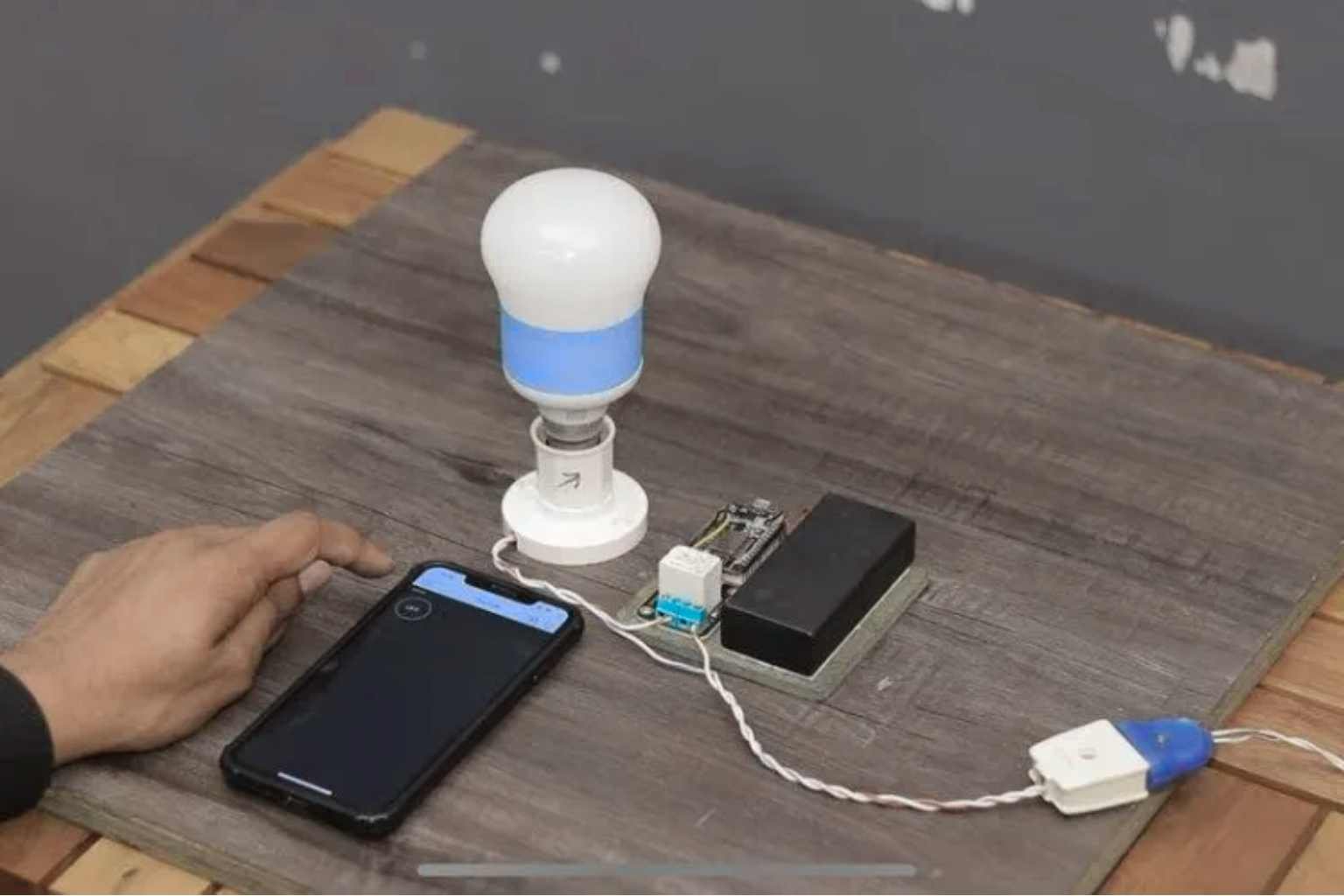

DIY home automation is growing as homeowners seek smart, comfortable, and energy‑efficient living. Affordable devices and open‑source platforms make it easier than ever for beginners to install systems and write programs without professional help.
1. What DIY Home Automation Means
DIY home automation means making your own smart home systems without going to professionals. That involves installing a range of smart lights, sensors, switches and controllers with at least some basic tools and software. These are projects that put automation in the hands of homeowners, who build to suit their lifestyle and pocketbook.
2. Why Do-It-Yourself Home Automation Is Taking Off
Accessibility and affordability are behind the surge in DIY automation. Installation is simplified with smart devices, and many only take a modicum of technical knowledge. Online guides, videos and community support make it easy to learn, encouraging more and more people try out automation in their own home.
3. Cost Benefits of DIY Automation
Cost savings is probably one of the largest justifications for DIY automation. Professional setups can be costly, but if users choose to make their own version, they can experiment on a smaller scale at first and then proceed with the road to customization. You don’t have to automate your whole room and you can do it one at a time and cost control without sacrificing comfort.
4. Popular DIY Home Automation Projects
There are lots of beginner-friendly, useful DIY projects:
- Energy-efficient lighting with timers and voice control
- Automated fans and air conditioners
- Safety lighting with motion sensors
- Smart doorbells and security cameras
- Automated curtains and blinds
Such projects add to the day-to-day conveniences and overall energy efficiency.
5. Solutions at a Glance: DIY Automation Tools and Platforms
Microcontrollers, sensors and smart hubs are also commonly employed in these DIY home automation efforts. Open source controllers and mobile apps are popular solutions that facilitate the connection of devices to users. Most systems include the ability to create automated rules, schedules and smartphone controls from afar.
6. Learning and Skill Development
Do-it-yourself automation will allow users to become familiar with basic electronics, network and logical thinking. As time goes on, they become more confident and tackle more complicated projects. This ‘cooling off’ period is one of the finest aspects of personal automation.
7. Energy Efficiency and Smart Control
Do-it-yourself automation can cut down on energy waste. Lights can switch off on their own if the rooms are empty, and appliances can run on schedules. With intelligent control, energy is used only when you need it and reduces electricity bills to contribute to an eco-friendly life.
8. Safety and Security Advantages
DIY home security is also a well-traveled category for automation. Sensors, alarms and cameras can be easily installed. These send warnings to phones so homeowners can keep an eye on their nest from afar.
9. Challenges in DIY Home Automation
DIY automation is awesome, but it has its own difficulties:
- Initial learning curve for beginners
- Device compatibility issues
- Network stability requirements
- The setup and testing time needed.
- Need for Yearly Updates and Service
Careful planning is key to navigating these challenges.
10. The DIY Home of the Very Near Future
DIY home automation will keep getting bigger and easier as technology gets smarter. Future devices will have better plug-and-play compatibility, stronger security and more. Because as consumer demand for more customized yet cost effective smart homes continue, DIY automation will continue to be a favourite.
Key Takeaways
With do-it-yourself home automation, people can design smart homes without custom installation and hefty price tags. It provides flexible, education, energy reduction and individual control. DIY automation can transform any home into a smarter and healthier place with some planning and piecemealed upgrades.
FAQs:
Q1. What is DIY home automation?
It is when you are creating smart home systems the DIY way, comprising cheap devices and tools.
Q2. Is DIY home automation for beginners?
Yes, a lot of projects are beginner friendly and quick to install.
Q3. Can DIY automation save money?
Yes, it saves on installation and energy.
Q4. Are DIY smart home systems secure?
Yes, on properly configured networks and with updated software.
Q5. Is it possible to do a DIY automation in stages?
Yes, generally systems grow incrementally adding devices.